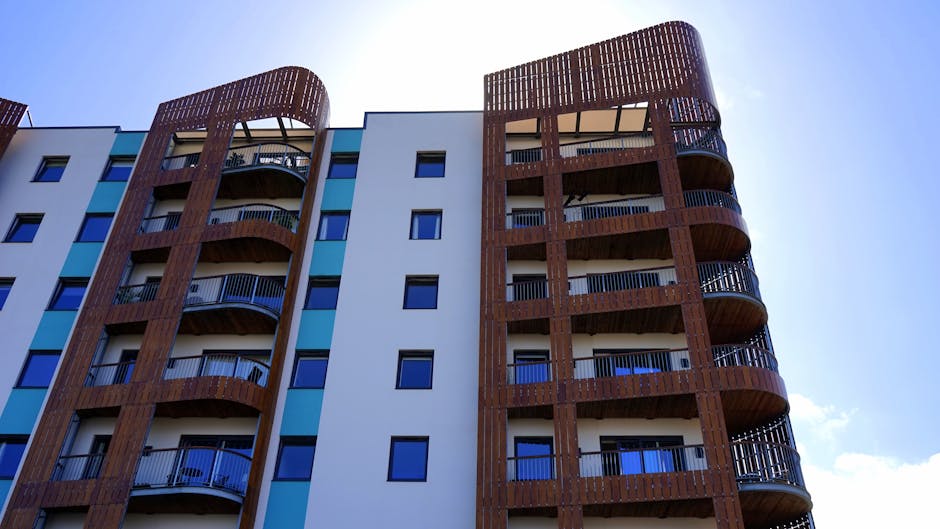
Institutional BTR investments reach £2.5bn in 2024 as build-to-rent pipeline expands across UK regions


A landmark year for institutional rental investment
The UK build-to-rent sector reached a significant milestone in 2024, with institutional capital deployment hitting £2.5 billion as investors doubled down on purpose-built rental housing. This investment surge has translated directly into development activity, with REalyse data showing over 120,000 BTR units currently under construction across the UK—the highest figure on record.
The scale of activity reflects growing institutional confidence in residential rental as a defensive asset class. In London alone, more than 71,000 BTR units are under construction, while regional England accounts for a further 46,000 units in active development. Scotland, Wales and Northern Ireland collectively contribute another 2,400 units to the construction pipeline.
Regional expansion beyond London
While London remains the largest BTR market with approximately 130,000 units either completed, approved or under construction, the most striking trend of 2024 has been regional expansion. REalyse planning data reveals 593 active BTR schemes across England outside the capital, encompassing over 175,000 units—compared to 210 schemes in London.
The North West and West Midlands have emerged as particularly active markets. Manchester and Birmingham continue to attract institutional capital, with average scheme sizes of nearly 300 units indicating the sector's preference for scale. Yorkshire and the Humber shows similar momentum, with over 20,000 BTR units in various stages of development.
Scotland's BTR market has matured rapidly, with 63 schemes totalling over 20,000 units now in the pipeline. Edinburgh and Glasgow have become established institutional rental markets, though regulatory considerations around rent controls have influenced some deployment decisions.
Yield compression and rental premiums
BTR properties command meaningful rental premiums over the broader market, reflecting the amenity-rich, professionally managed product that institutional landlords deliver. REalyse rental data indicates BTR units achieve approximately 15-30% higher rents than comparable market lettings in most English regions, with the West Midlands showing a 28% premium and Scotland reaching 45%.
Gross yields for BTR investments range from around 5% in London to nearly 8% in Yorkshire and the North East—levels that remain attractive relative to other real estate sectors. The yield premium over conventional buy-to-let reflects both the operational efficiencies of institutional management and the sector's ability to attract tenants willing to pay for quality.
However, rental growth has moderated following the rapid increases of 2022-23. Year-on-year BTR rent changes now range from modest growth in some regions to slight corrections in others, suggesting the market is finding a more sustainable equilibrium.
Why 2% penetration signals runway ahead
Despite the headline investment figures, BTR remains a nascent segment of the UK private rented sector. Institutional rental housing accounts for approximately 2% of all privately rented homes—a fraction of the 15-20% penetration seen in mature markets such as the United States and Germany.
This structural undersupply creates a compelling long-term investment case. The UK's 4.6 million private rented households continue to grow, driven by affordability constraints in the sales market and demographic shifts toward urban living. Meanwhile, regulatory pressures on individual landlords—including tighter energy efficiency requirements and potential changes to Section 21 evictions—are prompting some smaller operators to exit, further concentrating the market toward professional providers.
With over 90,000 BTR units holding planning approval and awaiting construction starts, the development pipeline suggests institutional penetration could double within five years.
Outlook: sustained growth with regional diversification
The £2.5 billion deployed in 2024 represents a sector coming of age. Institutional investors increasingly view BTR not as an alternative asset class but as core residential exposure—a shift that has unlocked longer-duration capital from pension funds and insurance companies alongside traditional private equity.
For 2025 and beyond, expect continued regional diversification as land costs and planning constraints limit London development opportunities. Cities with strong employment growth, university populations and transport connectivity—including Leeds, Bristol, Newcastle and Cardiff—are likely to attract increased institutional attention.
The data suggests BTR's structural growth story remains intact: high-quality supply meeting persistent demand, with institutional capital providing the patient funding that UK housing delivery has long required.