UK house prices vs rents: where buyers are regaining the affordability edge in 2026


The buy-vs-rent equation is shifting — again
For much of 2023 and 2024, the arithmetic of homeownership was brutal. Mortgage rates spiked above 5–6%, making monthly repayments on the average UK home significantly more expensive than renting an equivalent property. Would-be buyers sat tight, flooded the lettings market, and inadvertently pushed rents to record highs.
By mid-2026, the picture looks meaningfully different. The Bank of England's base rate has been on a downward path, dragging fixed mortgage rates closer to the 4% mark for well-qualified borrowers. At the same time, rents have continued to rise — up strongly on a 12-month basis across most UK regions — eroding the financial case for renting that seemed so obvious just two years ago.
The result: in a growing number of markets, buying has quietly become the cheaper option.
The numbers: what the listings market tells us
REalyse data covering UK sales and rental listings over the past 12 months reveals two economies running side by side.
At the national level, average asking sale prices range from around £232,000 in the most affordable English regions up to £788,000 in London, while average monthly asking rents span from approximately £1,050 at the lower end to £2,770 in the capital. The gap between these two worlds — in both directions — tells the real story.
In lower-price regions, the monthly mortgage payment on a typical home (assuming a 75% loan-to-value mortgage at around 4.1–4.3%) now sits broadly in line with or below prevailing market rents. In contrast, London and the South East remain firmly in renting-is-cheaper territory on a pure cashflow basis, with average asking prices above £518,000 in the South East and £788,000 in London making deposit hurdles — let alone monthly payments — prohibitive for most first-time buyers.
The inflection point is real, and it is regional.
Where buying beats renting: the regional breakdown
North East, Yorkshire, and Wales
These three markets are among the strongest illustrations of the affordability swing. With average asking prices in the £230,000–£315,000 range and average rents running between £1,045 and £1,200 per month, the monthly cost gap between owning and renting has narrowed sharply — or reversed entirely.
A buyer in the North East purchasing at £232,000 with a 15% deposit takes on a mortgage of around £197,000. At a rate of 4.25% over 25 years, that produces a monthly repayment of approximately £1,065 — essentially equal to, or slightly below, the average asking rent in the same market. Factor in equity accumulation and the case for buying becomes compelling.
Wales tells a similar story. REalyse data shows average asking prices around £306,000 paired with average rents of approximately £1,145 per month. For buyers who can access competitive fixed rates, the monthly ownership cost is within touching distance of the rental equivalent — a position that would have seemed implausible at the peak of the rate cycle.
The Midlands and North West
The West Midlands and East Midlands sit in the middle of the spectrum — average asking prices in the £316,000–£341,000 range and rents between £1,080 and £1,120 per month. Here, the buy-vs-rent comparison is finely balanced. Buyers with larger deposits (20% or more) are increasingly finding ownership competitive; those relying on higher LTV mortgages may still find renting the cheaper short-term option.
The North West, which includes Manchester and Liverpool — two cities that have attracted sustained investment interest — shows average asking prices around £290,000 and average rents near £1,057/month. Manchester in particular has seen rental growth outpace price growth over the past 18 months, nudging the monthly cost comparison closer toward parity.
London and the South East: still renting country
London remains the outlier. Average asking prices above £788,000 mean that even at historically modest mortgage rates, the monthly cost of ownership for a typical buyer — particularly at higher loan-to-value ratios — remains well above the £2,767 average monthly rent in the capital. The South East, at an average asking price of £518,000, is similarly weighted toward renting on a pure monthly basis for most households.
This does not mean buying in London is irrational — capital appreciation, security of tenure, and long-term equity-building all factor in — but the monthly cashflow case is not yet there at scale.
Property type matters: flats vs houses
REalyse's transaction and listings data adds a further layer of nuance when broken down by property type.
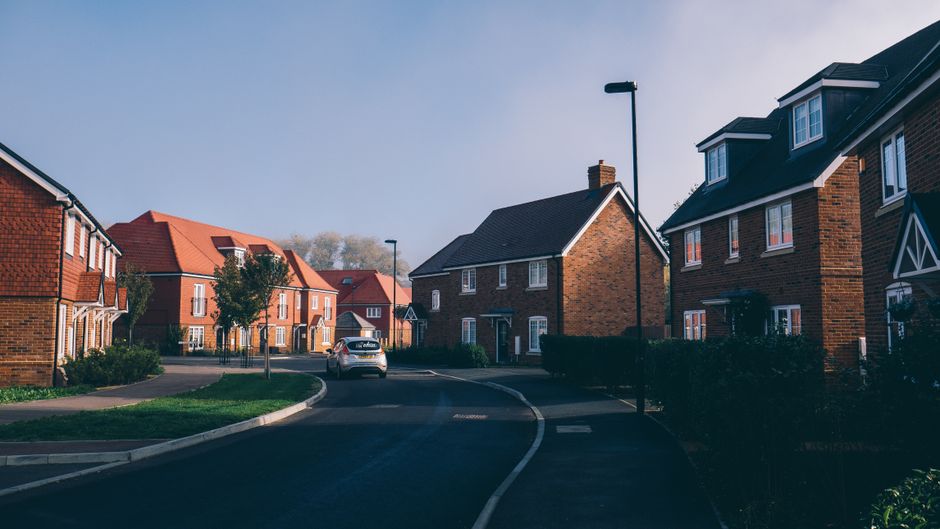
Terraced and semi-detached houses offer the most attractive buy-vs-rent dynamics outside London. Terraced homes show an average sold price of around £300/sqft and annual rental values of approximately £21/sqft — implying a gross yield of around 5.9%. Against a 25-year mortgage rate of 4.25%, the gap between income return and financing cost is narrow and closing.
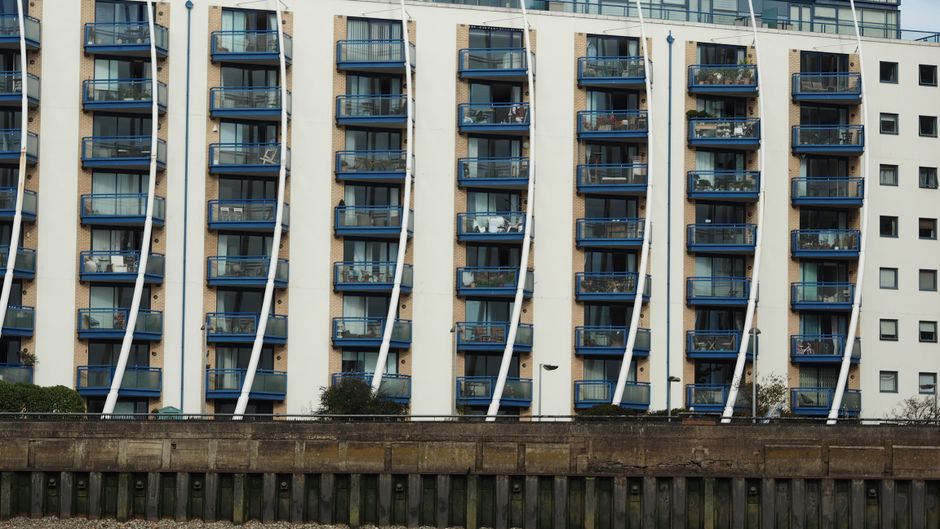
Flats show a different picture. At an average of £397/sqft nationally, they carry a higher price-per-square-foot premium — driven heavily by London's apartment-dominated market — yet their gross yield of around 5.6% remains in a similar range. For investors and owner-occupiers alike, the case for buying a flat depends heavily on location: a flat in Leeds or Birmingham prices very differently from one in Canary Wharf, and the yield arithmetic reflects that gap.
Detached homes, at £355/sqft and a yield of approximately 5.6%, appeal to buyers prioritising space over yield efficiency — a calculation that has shifted noticeably since the pandemic-era race for space.
What is driving the shift?
Three forces are converging to move the needle:
1. Mortgage rate normalisation. The Bank of England base rate — which peaked above 5% in 2023 — has edged lower through 2025 and into 2026. Five-year fixed rates are now available below 4.3% for borrowers with a 25% deposit, and some lenders are quoting sub-4% deals at 40% LTV. That is a meaningful reduction in monthly repayment burden compared to 18 months ago.
2. Sustained rental inflation. Rents have risen sharply since 2022 on the back of constrained supply, high tenant demand, and landlord disinvestment driven by regulatory change and higher mortgage costs on buy-to-let portfolios. REalyse data shows average asking rents still elevated well above pre-2022 levels across most UK regions, reducing the financial advantage of renting that once seemed so clear-cut.
3. Subdued house price growth in affordable regions. While London and the South East saw some price resilience, many northern and midland markets have seen more measured price growth. This means the entry cost for buyers has risen less dramatically than mortgage rates alone would suggest — and now that rates have retreated, affordability is improving from both directions.
The planning pipeline: a longer-term supply signal
One factor that could sustain — or reverse — this trend is new supply. REalyse's planning and development data shows a significant volume of residential schemes in the pipeline across the Midlands, Yorkshire, and the North West, ranging from suburban family housing to build-to-rent schemes in city cores.
Increased supply in rental markets could soften rent growth, while additions to the for-sale stock could put modest downward pressure on asking prices. The regions with the most active development pipelines — Greater Manchester, West Yorkshire, and the West Midlands — are precisely those where the buy-vs-rent tipping point is currently most finely balanced.
Buyers and investors watching these markets should track pipeline completion schedules closely: the affordability calculus may shift again as supply responds.
Conclusion: a window of opportunity — but not everywhere
The buy-vs-rent equation has not flipped universally, and it would be misleading to suggest otherwise. London and much of the South East remain markets where renting makes clear financial sense on a monthly cashflow basis for the majority of households. The deposit required, the stamp duty burden, and the transaction costs of ownership make the arithmetic stubbornly difficult at the price levels these markets command.
But across a wide band of the UK — from Tyneside to Swansea, from Sheffield to Salford — the numbers are moving in buyers' favour for the first time since 2022. Falling mortgage rates, rising rents, and relatively contained house price growth in affordable regions have created a window that looks increasingly compelling for first-time buyers, upsizers, and investors who have been waiting on the sidelines.
Whether that window remains open depends on how quickly the mortgage market responds to further base rate movements, how fast housebuilding ramps up in high-demand areas, and whether landlord disinvestment continues to tighten the private rental supply. For now, in much of the UK outside the capital, the case for buying has not been this strong in years.