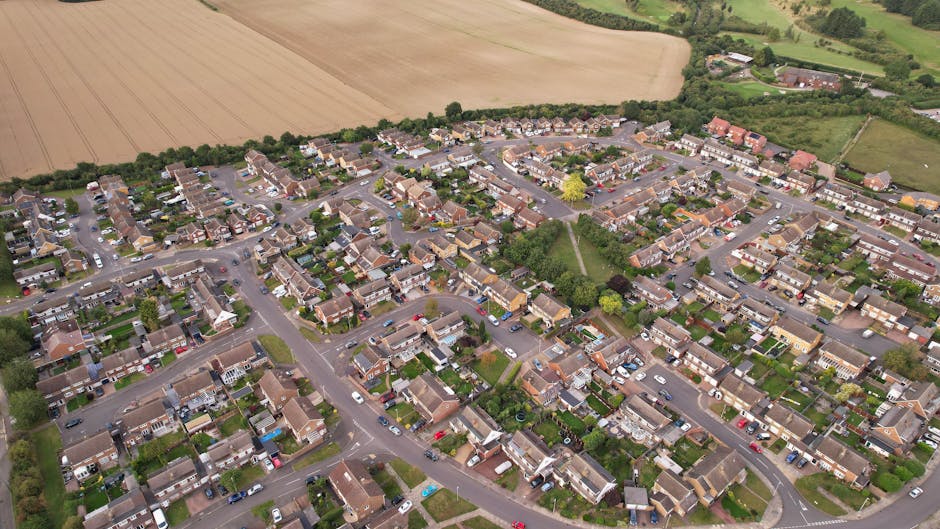
Right to Buy reforms: how stricter eligibility and capped discounts aim to preserve council housing stock


A scheme under pressure
Right to Buy has been one of the most transformative housing policies in British history. Since Margaret Thatcher introduced the scheme in 1980, approximately 2 million council homes have been sold to tenants across England alone. While the policy created a generation of homeowners, it has also contributed to a structural shortage of social housing that local authorities have struggled to reverse.
Council housing stock in England has fallen from over 5 million properties in the early 1980s to around 1.6 million today. Meanwhile, waiting lists have grown substantially, with over 1.2 million households currently on social housing registers. The mismatch between supply and demand has placed increasing pressure on successive governments to reform the scheme.
Key reforms: what's changing
Extended eligibility period
The qualifying period for Right to Buy will increase from 3 years to 10 years. This change alone is expected to reduce the volume of annual sales significantly, giving councils more time to benefit from rental income and plan long-term housing strategies. REalyse planning data shows that many local authorities are already factoring longer holding periods into their development appraisals for new council housing schemes.
Discount cap at 15%
Perhaps the most impactful reform is the reduction of the maximum discount from the current levels—which can reach £96,000 in London and £127,900 elsewhere—to a flat 15% of market value. Under the previous rules, tenants in high-value areas could acquire properties at substantial discounts, often exceeding 40-50% of market value.
For a council flat in outer London valued at £350,000, the old scheme might have offered a discount of £96,000, allowing purchase at £254,000. Under the new rules, that same property would attract a maximum discount of £52,500, with a purchase price of £297,500. This narrower margin makes the transaction less attractive to speculative buyers while still offering a meaningful benefit to long-term tenants.
New build exemption extended to 35 years
New council housing developments will be exempt from Right to Buy for 35 years from completion. This addresses one of the fundamental challenges councils have faced: the risk that newly built social homes would be sold off within years of construction, undermining the investment case for building more.
REalyse data shows a growing pipeline of local authority-led housing schemes across England, with planning applications for council housing increasing notably in recent years. The extended exemption period should improve the viability of these projects by guaranteeing rental income streams and allowing councils to refinance or leverage assets over longer time horizons.
Implications for the housing market
Local authority development activity
The reforms create a more favourable environment for council housebuilding. With reduced leakage through Right to Buy sales, local authorities can plan with greater certainty. REalyse analysis of planning applications indicates that councils in areas with acute housing pressure—particularly London boroughs, major urban centres, and coastal towns—are most actively pursuing new development.
Investor and developer considerations
For private developers working on mixed-tenure schemes or Section 106 agreements, the reforms may influence how affordable housing obligations are structured. Housing associations and registered providers, which already operate with different Right to Buy rules, may see increased partnership opportunities with councils seeking to expand their stock.
From a valuation perspective, the narrower discount gap means that resale values of ex-council properties may stabilise more quickly, as fewer homes will enter the market at below-market prices. This could support property values in areas with significant social housing stock.
Regional variations
Scotland, Wales, and Northern Ireland have already moved away from Right to Buy in various forms. Scotland abolished the scheme entirely in 2016, while Wales ended it in 2019. The English reforms bring policy closer in line with the devolved nations, though the scheme continues rather than being scrapped outright.
REalyse market data shows that areas which have already exited Right to Buy have seen more stable social housing stock levels, though new build rates vary significantly depending on local funding and land availability.
Outlook: a recalibrated policy
The Right to Buy reforms represent a pragmatic recalibration rather than abolition. By tightening eligibility, reducing discounts, and protecting new builds, the government aims to balance the original aspiration of homeownership with the pressing need to maintain an adequate supply of genuinely affordable housing.
For housing professionals, investors, and developers, these changes signal a structural shift in how social housing is funded, delivered, and retained. Understanding local authority development pipelines, planning activity, and market conditions will be essential for navigating the evolving landscape. REalyse provides the granular market intelligence needed to assess these dynamics at postcode, district, and regional level.