Institutional cash fuels Leeds BTR boom as pipeline set to double by mid-2026


Introduction
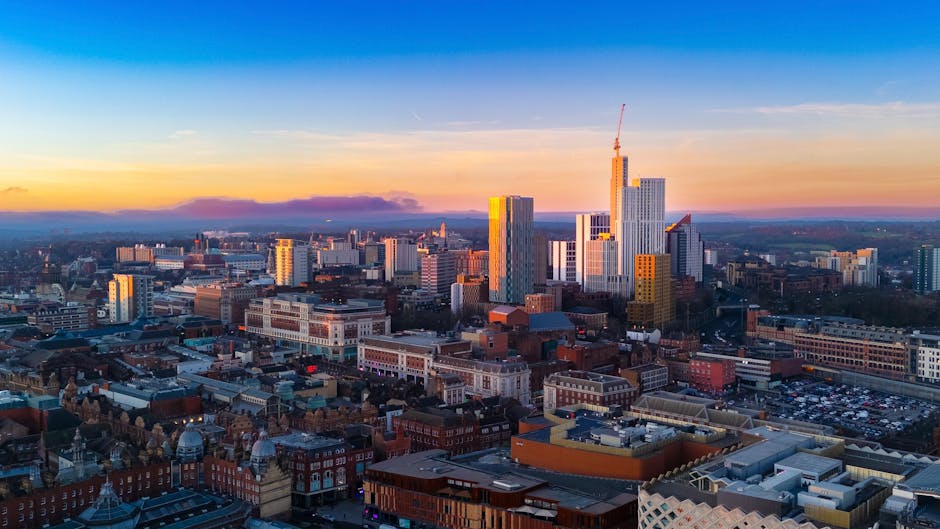
Leeds has quietly become one of the UK's most compelling stories in the Build-to-Rent sector. While Birmingham and Manchester dominate headlines, West Yorkshire's largest city has attracted a surge of institutional capital that is fundamentally reshaping its rental housing stock.
REalyse planning data reveals a BTR pipeline of over 3,000 units across more than a dozen schemes—a figure that positions Leeds to double its purpose-built rental stock by mid-2026. The combination of strong rental fundamentals, competitive yields, and a young, growing workforce has drawn major institutional players to the city.
The investment thesis: yields and rental growth
The economics underpinning the Leeds BTR boom are straightforward. REalyse market data shows average gross yields for Leeds flats sitting at approximately 7%, significantly higher than the 4–5% typically achievable in prime London locations. This yield premium has made Leeds increasingly attractive to investors seeking income-producing assets.
Rental growth has been equally compelling. The city has recorded year-on-year rental increases of around 4.7% for flats, with average asking rents now reaching approximately £1,090 per month. This combination of yield and growth offers a total return profile that institutional investors find difficult to ignore.
The city's economic fundamentals support continued rental demand. Leeds boasts one of the UK's largest financial and professional services clusters outside London, a thriving digital sector, and three major universities producing a steady pipeline of young professionals seeking quality rental accommodation.
Major schemes transforming the city centre
Legal & General's £140 million investment in Whitehall Riverside exemplifies the scale of institutional commitment to Leeds. The waterfront development, delivering approximately 500 BTR units, represents one of the insurer's flagship northern investments and has helped establish Leeds as a credible alternative to the traditional northern powerhouses.
Grainger, the UK's largest listed residential landlord, has similarly identified Leeds as a priority market. The FTSE 250 company has committed to thousands of units across multiple schemes, viewing the city as central to its strategy of building a geographically diversified BTR portfolio.
REalyse planning data identifies several other major schemes progressing through the pipeline. The Globe Road development near the station is delivering 783 units under Get Living, while Dandara's Holbeck Urban Village scheme comprises 744 BTR homes. Bridge Street Phase 2, currently in progress, will add a further 678 units to the city's rental stock.
Other notable developments include the Beck Yard scheme (375 units) being delivered by McLaren Living and Vistry Group, and Mabgate Yard (302 units) backed by Cheyne Capital. Each scheme represents institutional capital flowing into purpose-built rental housing at scale.
Why Leeds, and why now?
Several factors have converged to make Leeds particularly attractive to BTR investors in 2025 and 2026.
First, relative value. While Leeds rental values have grown strongly, they remain substantially below those in Manchester and Birmingham, offering scope for continued appreciation. The city's comparatively lower land values also mean development economics remain favourable even as construction costs have risen.
Second, transport connectivity. The city centre sits at a major rail hub, with direct services to London in around two hours. The ongoing investment in local transport infrastructure, including mass transit proposals, is expected to enhance connectivity further.
Third, a supportive planning environment. Leeds City Council has been broadly receptive to BTR development, recognising the sector's role in addressing housing supply challenges and delivering professionally managed rental accommodation.
Fourth, demographic tailwinds. With over 60,000 university students and a median age well below the national average, Leeds generates sustained demand for rental housing. The city's growing status as a tech and financial hub is helping to retain graduates who might previously have migrated to London.
The competitive landscape
The influx of institutional capital is not without its challenges. As more BTR stock comes online, operators will face increased competition for tenants. The schemes currently in progress will need to differentiate through location, amenity provision, and service quality.
REalyse data shows average days on market remaining relatively stable, suggesting demand is keeping pace with new supply for now. However, the sheer volume of units scheduled for completion in 2025 and 2026 will test absorption rates.
Operators are responding by targeting different tenant segments. Some schemes are positioning themselves as premium offerings with extensive amenities, while others focus on value-conscious renters seeking quality accommodation at accessible price points.
Outlook
The Leeds BTR market appears set for continued expansion through 2026 and beyond. The combination of institutional capital, favourable rental economics, and strong underlying demand creates conditions for sustained sector growth.
For investors and developers, the key questions now centre on site selection and timing. The most desirable city centre locations are already spoken for, and attention is shifting to emerging areas including the South Bank and beyond.
REalyse will continue to track the Leeds BTR pipeline as schemes progress from planning through to completion, providing the market data and analysis that investors and operators need to navigate this rapidly evolving sector.