Institutional capital pours into single-family build-to-rent as investors chase regional yields and suburban demand


The suburban shift in institutional residential investment
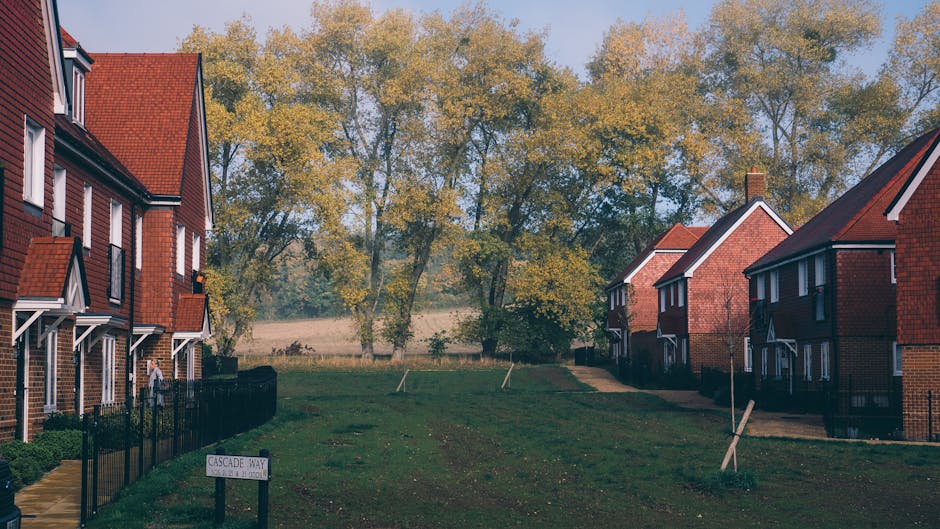
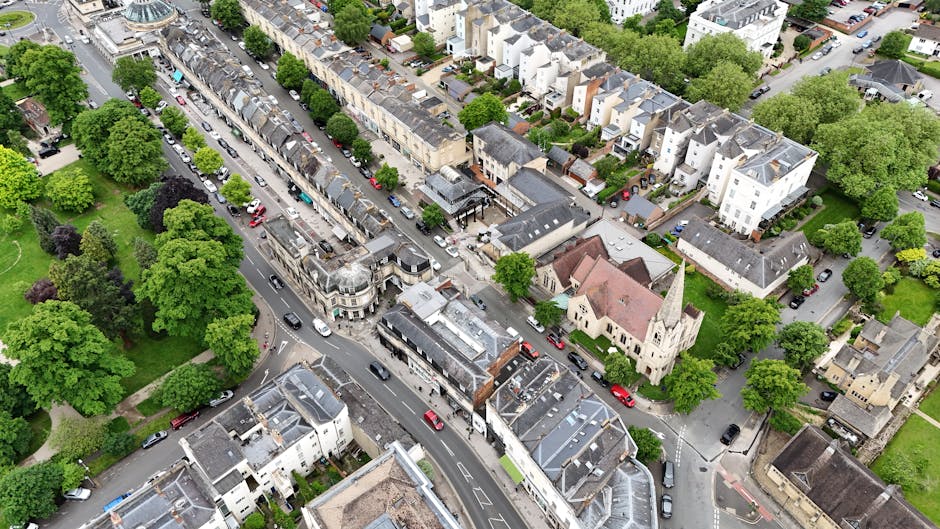
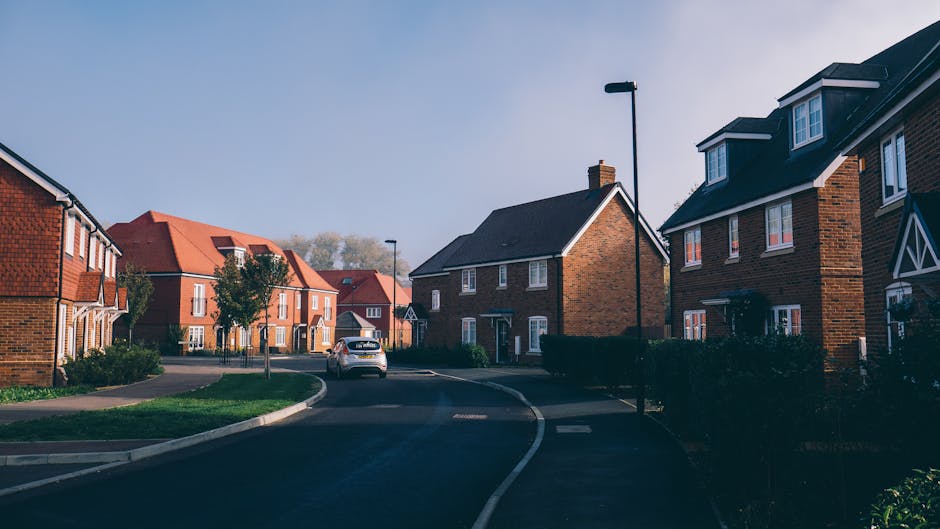
For most of the past decade, UK build-to-rent has been synonymous with city-centre apartment towers—gleaming blocks in Manchester, Birmingham, and London offering amenities-rich urban living. But institutional investors are now redrawing the map. Single-family build-to-rent (SFBTR), sometimes called "suburban BTR" or "single-family rental communities," has emerged as the fastest-growing segment of the UK's purpose-built rental sector.
The numbers tell a compelling story. REalyse planning data shows over 64,000 single-family BTR units currently in the UK development pipeline, representing roughly 11% of total BTR supply under planning. While London dominates the overall BTR pipeline with approximately 227,000 units, just 433 of those are single-family homes. The real action is happening elsewhere: the East of England leads with over 15,500 SFBTR units planned, followed by the West Midlands (11,750 units) and North West (10,900 units).
This isn't a temporary pivot—it's a structural rebalancing driven by fundamental economics and demographic shifts.
Regional yield gaps are driving capital north
The mathematics of SFBTR investment favour regions beyond London and the South East. REalyse yield analysis reveals that houses in the North East deliver average gross yields of around 7.15%, compared to just 5.60% in the South East—a spread of 155 basis points that compounds significantly over institutional hold periods.
The regional yield picture for family homes is striking:
• North East: 7.15% average gross yield for houses
• Scotland: 6.96% average gross yield
• North West: 6.27% average gross yield
• Yorkshire: 6.20% average gross yield
• Midlands: 5.88% average gross yield
• South East: 5.60% average gross yield
Crucially, the yield gap between flats and houses has narrowed substantially. In the South West, the difference is negligible at just 0.05 percentage points. Even in Yorkshire, where the gap is widest at 0.72 percentage points, houses remain highly competitive. This undermines the traditional assumption that only high-density apartment blocks pencil for institutional investors.
For pension funds and insurers seeking long-duration, inflation-linked returns, the combination of higher regional yields, lower land costs, and simpler construction methodologies makes SFBTR an increasingly attractive proposition.
Changing household preferences accelerate demand
Beyond yield arithmetic, structural demand shifts are propelling SFBTR growth. The pandemic permanently altered how millions of households think about space, with remote and hybrid working unlocking suburban and regional locations previously dismissed as too far from employment centres.
Family renters—a cohort that has grown rapidly as homeownership rates have declined—are now a substantial market segment. These households need what urban BTR typically cannot provide: gardens, parking, storage, and proximity to good schools. The private rented sector has historically served this demand through fragmented buy-to-let portfolios, but institutional SFBTR offers a professional alternative.
REalyse rental data shows strong demand for family-sized homes across regional markets. In Yorkshire, three-bedroom terraced houses command average asking rents of £1,020 per month, while three-bedroom semi-detached homes in the North West reach £1,265 monthly. Even at these levels—roughly £12,000-£15,000 per year—families find renting more accessible than stretched deposit requirements and mortgage affordability stress tests.
The South East demonstrates why developers are building for rent rather than sale: three-bedroom semi-detached homes there average £1,835 monthly, yet transaction volumes suggest many families struggle to purchase. SFBTR captures this demand without requiring households to navigate deposit accumulation and mortgage approval.
Where the pipeline is building
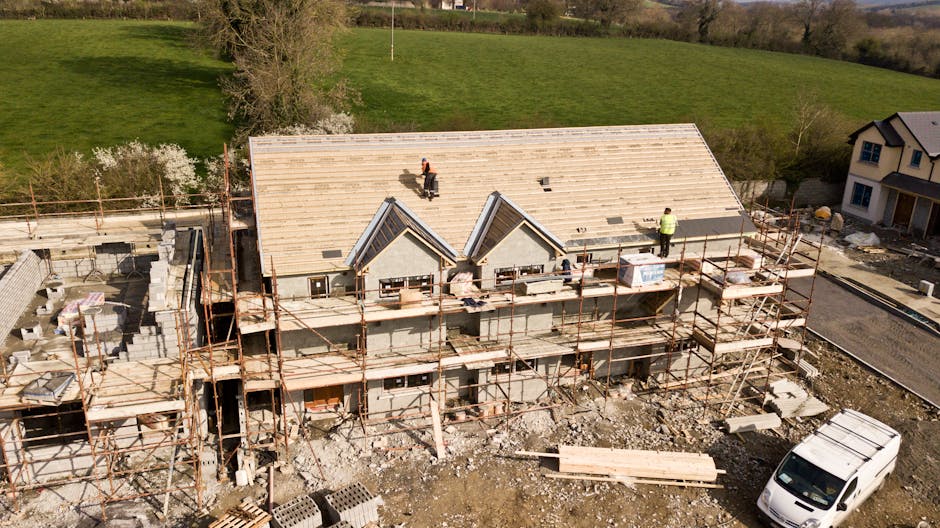
Planning data reveals distinct geographic clusters for SFBTR development. The East of England, encompassing growth corridors around Cambridge and new communities in Essex and Hertfordshire, leads with over 15,500 units. Major housebuilders partnering with institutional capital are scaling developments here, attracted by London overspill demand and strategic transport links.
The West Midlands pipeline of nearly 11,800 SFBTR units reflects Birmingham's growing regional significance and the appeal of surrounding commuter towns. The North West's 10,900-unit pipeline spans Greater Manchester suburbs and Cheshire communities where family housing demand outstrips traditional for-sale supply.
Notably, the East Midlands has emerged as a value play, with over 7,400 SFBTR units planned in a region where three-bedroom semi-detached homes rent for approximately £1,133 monthly and yields remain competitive at around 5.9%.
Scotland's SFBTR pipeline remains smaller at approximately 1,100 units, though regulatory complexity around rent controls may be constraining institutional appetite despite attractive yields averaging nearly 7% for houses.
Outlook: a maturing asset class
Single-family BTR is transitioning from an emerging concept to an established institutional asset class. The combination of regional yield premiums, structural demand from family renters, and operational lessons learned from apartment BTR creates a compelling investment case.
For the UK housing market, this represents a significant evolution. Institutional capital can deliver professionally managed rental communities at scale in locations where homebuilders have historically built only for sale. This adds much-needed diversity to housing tenure options in suburban and regional markets.
REalyse data suggests we're still in the early stages of this cycle. With over 64,000 units in planning—a fraction of potential demand—expect continued announcements of new SFBTR platforms, forward-funding partnerships, and suburban land acquisitions. For investors seeking yield, scale, and demographic tailwinds, single-family build-to-rent offers a rare combination. For renters, it promises a new generation of purpose-built family homes in locations that actually suit how people want to live.