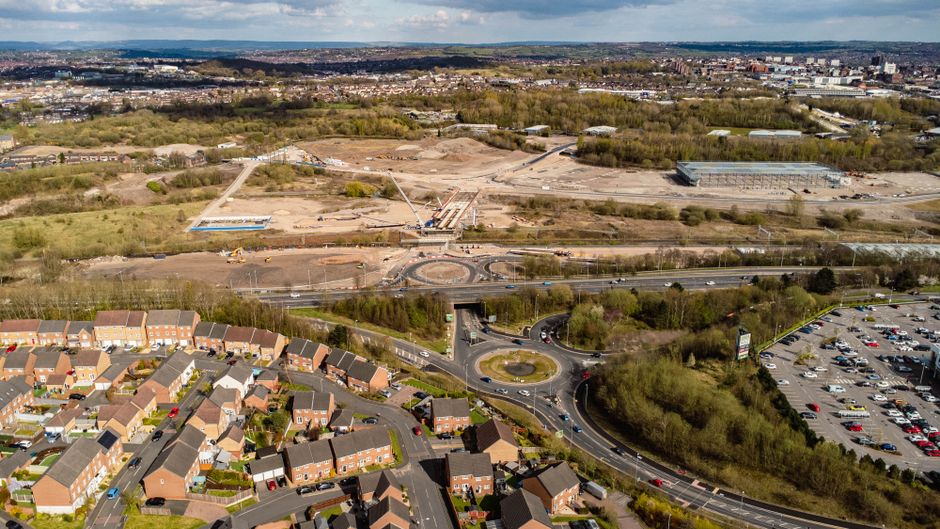
BTR sector hits £2.5bn investment milestone as institutional landlords embrace single-family rentals


A new chapter for institutional rental investment
The UK Build-to-Rent sector has crossed another milestone, with £2.5 billion of capital now committed to single-family rental developments as institutional investors pivot toward suburban housing stock. This marks a decisive shift in strategy for funds and operators who previously concentrated on urban apartment schemes.
REalyse data shows the broader BTR pipeline now exceeds 155,000 units across more than 740 active schemes, with a combined development value approaching £52 billion. Within this, single-family Build-to-Rent (SFBTR) has emerged as the fastest-growing sub-sector, with approximately 12,000 homes either completed, under construction, or progressing through planning.
The timing is no coincidence. With the Renters' Rights Act coming into force this month, the regulatory landscape now clearly favours professional landlords who can demonstrate robust management standards, transparent practices, and long-term commitment to their tenants.
Why single-family rentals are attracting institutional capital
Traditional BTR investment has concentrated on apartment blocks in major city centres, particularly London, Manchester, and Birmingham. REalyse analysis reveals London alone accounts for over 37,000 BTR units across 151 schemes, with a pipeline value exceeding £13.4 billion.
However, institutional investors are now looking beyond urban flatted developments. Single-family rental schemes are gaining traction across the Midlands, North West, and East of England, where family-sized homes with gardens command strong tenant demand and deliver attractive yields.
The numbers tell the story:
• North East delivers the strongest gross yields nationally, averaging 7.5% for flats and 7.3% for terraced homes
• Scotland follows closely at 7.3% for flats and 7.2% for terraced properties
• North West offers 6.5% yields for flats alongside lower entry prices than London
• London remains the most expensive market, with yields compressed to 4.7-4.8% across property types
For institutional investors, these regional yield differentials make a compelling case for suburban single-family portfolios, particularly when combined with lower void rates and longer average tenancy lengths that family homes typically deliver.
The Renters' Rights Act: a catalyst for professionalisation
The Renters' Rights Act, which came into force in May 2026, represents the most significant reform to England's private rental sector in a generation. The legislation abolishes Section 21 "no-fault" evictions, introduces a new property portal, and strengthens enforcement against substandard landlords.
For amateur landlords juggling compliance requirements alongside day jobs, these changes present operational challenges. For institutional operators with dedicated property management teams, compliance infrastructure, and economies of scale, the new framework plays to existing strengths.
REalyse planning data reveals institutional developers are already accelerating single-family rental schemes:
• Birmingham leads with major SFBTR schemes including a 476-home development at the former MG Works in Longbridge, valued at £220 million
• Manchester is seeing increased activity, with schemes like the 115-home development in Burnage progressing through planning
• Leeds, Sunderland, and Swindon each feature multiple SFBTR schemes now under construction
Many of these developments target locations within commuting distance of employment centres, offering the space and amenities that growing families prioritise but struggle to find in traditional buy-to-let stock.
What this means for the market
The shift toward institutional single-family rentals carries implications across the housing market. For tenants, professionally managed homes with clearer standards and longer-term security of tenure represent a step change from the fragmented amateur landlord market.
For investors, SFBTR offers a defensive asset class with inflation-linked income streams, lower tenant turnover costs, and potential for capital appreciation in undersupplied regional markets.
For developers, the emergence of institutional buyers for suburban housing creates exit routes that did not exist five years ago, potentially supporting viability on marginal sites.
REalyse data suggests the regional story will continue to dominate. With median scheme values around £30 million and average unit counts of 100-200 homes per development, SFBTR schemes are delivering new rental supply at scale in locations where housing need is most acute.
Outlook
The £2.5 billion milestone is likely just the beginning. With rental demand outstripping supply across most UK regions, institutional capital will continue flowing toward professionally managed stock. The Renters' Rights Act has accelerated this trend by raising the bar for all landlords while creating operational advantages for those already operating at scale.
For property professionals tracking this evolving market, REalyse provides the planning pipeline data, rental yield analysis, and demographic insights needed to identify opportunities early. Whether evaluating potential SFBTR sites, benchmarking regional yields, or monitoring competitor activity, data-driven intelligence will separate the winners from the rest in this rapidly maturing sector.