BTR institutional capital surges to £2.5bn in 2024 as sector reaches maturity


The rise of institutional BTR investment
The UK's build-to-rent sector crossed a significant threshold in 2024. With approximately £2.5bn of institutional capital deployed into BTR portfolios—adding more than 5,000 new professionally managed homes—the sector has firmly established itself as a core real estate allocation for pension funds, insurance companies, and global investment managers.
This is not speculative capital chasing unproven models. Institutional investors are committing to BTR because the fundamentals work: chronic undersupply of rental housing, demographic tailwinds favouring renting, and operational models that deliver predictable income streams. The question is no longer whether BTR will succeed in the UK, but how quickly supply can scale to meet demand.
Pipeline analysis: Where the homes are being built
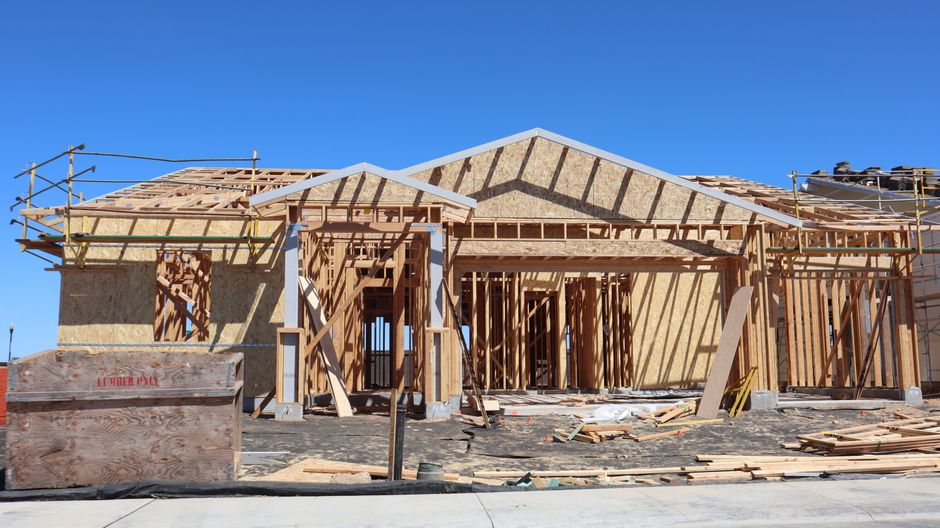
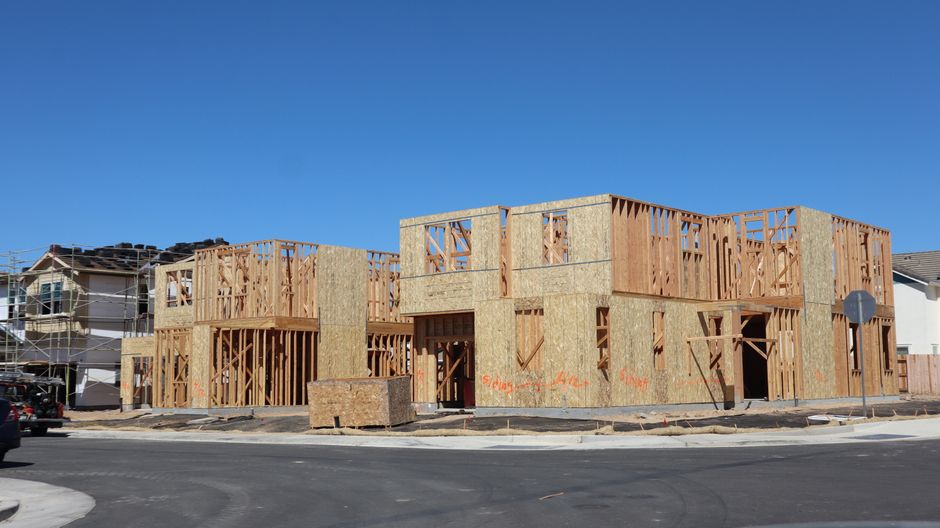
REalyse data reveals the scale of current BTR development activity across the UK's major cities. Across London, Manchester, Birmingham, Leeds, and Bristol alone, there are currently 84 active BTR projects in the planning pipeline.
The numbers are striking. London leads with over 14,000 units under construction across 33 projects, reflecting the capital's rental demand and land values that support high-density development. But the regional story is equally compelling. Manchester has nearly 5,500 units under construction, while Birmingham follows closely with over 5,100 units in progress.
When combining approved units with those already under construction, these five cities account for approximately 50,000 BTR homes either in development or awaiting construction. This pipeline represents billions in committed capital and signals long-term confidence in UK rental fundamentals.
Regional yield dynamics
The investment thesis differs markedly between London and the regions. REalyse analysis of BTR listings shows London achieving average asking rents of £2,353 per month for one and two-bedroom flats, but gross yields averaging 5.15%. Compare this to Leeds, where average rents of £1,173 translate to gross yields of 7.64%—nearly 250 basis points higher.
Manchester and Birmingham occupy the middle ground, offering yields of 6.8% and 6.0% respectively, with average rents between £1,320 and £1,427. For institutional investors seeking income, these regional markets deliver compelling risk-adjusted returns, particularly when accounting for lower entry prices and strong rental growth forecasts.
This yield differential explains why regional cities have attracted disproportionate institutional attention. Bristol, though smaller in scale with around 2,100 units under construction, demonstrates similar dynamics with yields approaching 6% and growing institutional interest.
What's driving the capital influx
Several factors have converged to make 2024 a landmark year for BTR investment.
First, debt markets have stabilised. After two years of interest rate uncertainty, lenders have recalibrated to the new normal. Development finance is flowing again, and the spread between BTR yields and borrowing costs has widened sufficiently to restore deal viability.
Second, operational track records now exist. The first wave of institutional BTR schemes delivered in 2018-2020 have demonstrated occupancy rates consistently above 95%, rental collection rates exceeding 99%, and tenant retention that outperforms traditional buy-to-let stock. Underwriting assumptions have been validated.
Third, regulatory pressure on private landlords continues to push amateur investors out of the market. Section 21 reform, Renters' Rights legislation, and tightening EPC requirements have accelerated the professionalisation of UK rental housing. Institutional operators are well-positioned to absorb this transition.
The tenant proposition
Beyond yield arithmetic, BTR success rests on tenant demand. Purpose-built rental schemes typically offer amenities, security, and service levels that converted Victorian stock cannot match. Concierge services, resident lounges, gyms, and co-working spaces have become standard in new developments.
REalyse data indicates that BTR-specific listings represent a growing share of available rental stock in major cities—over 1,670 active BTR listings in London alone during the 2023-2024 period analysed. This professionalisation is reshaping tenant expectations and, in turn, justifying the rental premiums that support institutional returns.
Outlook: Scaling to meet demand
Despite the impressive pipeline, BTR remains undersupplied relative to demand. The UK's total BTR stock stands at approximately 100,000 completed homes—a fraction of the 4.4 million households renting privately. Even aggressive build-out scenarios suggest BTR will represent less than 5% of the private rented sector by 2030.
This structural undersupply underpins continued investor appetite. With planning applications for BTR schemes continuing to flow—REalyse tracks over 7,000 approved units in London and nearly 5,600 in Birmingham awaiting construction—the development pipeline will remain active for years to come.
For investors, the message is clear: BTR has graduated from niche strategy to institutional mainstream. The £2.5bn deployed in 2024 will likely be exceeded in subsequent years as capital allocation to UK living sectors continues to grow. For renters, this capital influx promises more professionally managed homes in locations where housing pressure is most acute.
The question now is not whether institutional capital will continue flowing into UK BTR, but whether planning systems, construction capacity, and local authorities can keep pace with investment appetite.